A vaginal bulge, pelvic heaviness, urinary difficulty or bowel changes can result from prolapse of the bladder, uterus, rectum or vaginal apex. By the end, you will know how prolapse is assessed, when surgery is appropriate, how the main operations differ, and what recovery involves.
Key takeaways
- Ask which pelvic organ has prolapsed and what stage it is.
- Try pelvic-floor exercises, a pessary or bowel-care changes when appropriate.
- Match the operation to the prolapsed organ, symptoms and future pregnancy plans.
- Ask about hospital stay, activity restrictions and warning signs before surgery.
How prolapse is diagnosed and staged before treatment
A visible vaginal bulge confirms that something is descending, but it does not identify which organ is involved or whether surgery is needed. A gynaecologist will ask about pressure, heaviness, urinary leakage or incomplete emptying, constipation, painful intercourse and tissue visible at the vaginal opening.
The assessment usually follows these steps:
1. You will describe your symptoms, previous births and pelvic surgery, future pregnancy plans, constipation, chronic cough and activities that worsen the bulge.
2. The clinician will examine the vagina and cervix or vaginal apex with you lying down and, when needed, standing. You may be asked to cough or bear down. This shows whether the front wall is descending with the bladder, the back wall with the rectum, or the uterus or vaginal apex is dropping.
3. The examination may be recorded using the POP-Q system. Stage 1 remains well above the hymen; stage 2 reaches within 1 centimetre of it; stage 3 extends beyond it; stage 4 represents near-complete or complete vaginal eversion. The number documents descent, but symptoms and daily impact determine treatment.
4. A urine test helps investigate leakage, infection or difficulty emptying. Bladder-function studies, ultrasound or other tests are reserved for unclear findings or significant urinary symptoms.
These findings, along with age, health and treatment preferences, guide pelvic organ prolapse treatment in Mumbai. A stage alone does not mandate prolapse surgery.
When non-surgical treatment is the better first step
Try conservative treatment before booking prolapse surgery in Mumbai when symptoms are mild, manageable, or have not yet disrupted your bladder, bowel function, movement, work, sex life or daily comfort. Surgery becomes more reasonable when these measures fail, cannot be used, or the prolapse significantly affects daily life.
1. Choose observation when the bulge causes little discomfort and examination shows no urgent bladder or bowel problem. Attend planned reviews so worsening symptoms or difficulty emptying your bladder is not missed.
2. Start supervised pelvic-floor muscle training. A physiotherapist can check that you are tightening the correct muscles; repeated straining with the wrong technique will not strengthen support and can increase pressure.
3. Treat factors that keep pushing against the pelvic floor. Manage constipation, chronic cough and smoking, work towards a healthy weight, and avoid repeated heavy lifting or straining.
4. Ask about a vaginal pessary when you want symptom relief without an operation, need support while postponing surgery, or plan another pregnancy. The clinician must select the size, teach removal or arrange cleaning, and check for rubbing or vaginal sores.
Tell the gynaecologist if you may want another pregnancy. Pregnancy and childbirth can strain a repair, so delaying definitive surgery, continuing with a pessary, or discussing a uterus-preserving procedure may make more sense. Conservative care is not failure; it is the safer first step when symptoms and circumstances allow it.
Which prolapse operation repairs which part of the pelvis
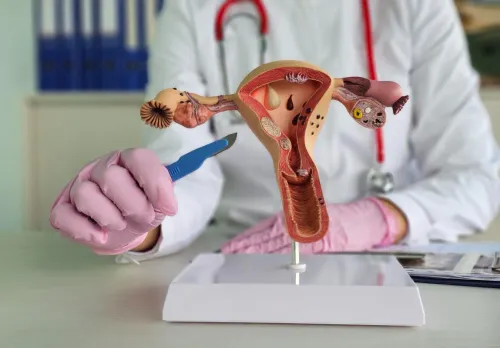
The choice depends on which compartment has weakened: the bladder-side front wall, rectal-side back wall, uterus, or vaginal apex. Repairing only the most visible bulge can leave apical weakness untreated, allowing symptoms or prolapse to persist.
| Option | What it repairs | What the operation does |
|---|---|---|
| Anterior repair | Front vaginal wall and bladder support | Tightens tissue between the bladder and vagina, usually through the vagina; it treats a cystocele, not uterine descent. |
| Posterior repair | Back vaginal wall and rectal support | Reinforces tissue between the rectum and vagina for a rectocele; it does not lift the uterus or vaginal apex. |
| Hysteropexy | Descending uterus | Suspends the uterus while preserving it, through vaginal, laparoscopic or abdominal surgery. Discuss future pregnancy before choosing it. |
| Sacrocolpopexy | Vaginal apex, with or without the uterus | Uses an abdominal or laparoscopic route to attach the apex to the sacrum, usually with mesh. It is an apical suspension, not a routine vaginal-wall repair. |
| Hysterectomy | Uterus | Removes the uterus, often vaginally, but requires separate suspension of the vaginal apex to prevent vault prolapse. |
Uterine prolapse surgery in Mumbai does not automatically mean hysterectomy. Your symptoms, anatomy, health, pregnancy plans and the surgeon’s assessment determine whether uterus-preserving hysteropexy, sacrocolpopexy or hysterectomy with suspension is appropriate.
Ask how each compartment was assessed before booking prolapse surgery in Mumbai. Correcting prolapse can also reveal previously hidden stress urinary leakage, so ask whether testing and a continence plan are needed.
What happens on the operation day and during recovery
On the day of prolapse surgery in Mumbai, you will change into a hospital gown, receive an intravenous line and meet the anaesthetist. General anaesthesia keeps you asleep; spinal or regional anaesthesia numbs the lower body while you remain drowsy or awake. The team monitors your blood pressure, oxygen level and heart rate throughout.
After surgery, nurses control pain and nausea, check bleeding, and help you stand safely. A urinary catheter often stays in place until you can empty your bladder; discharge may be the same day or after an overnight stay, depending on the operation and your progress.
Walk short distances early, but avoid lifting, strenuous exercise and constipation-producing straining. Vaginal intercourse is commonly postponed for about 4–6 weeks, until the surgeon confirms healing. Laparoscopic wounds and vaginal repairs have different restrictions, so follow the written instructions rather than judging recovery by the word “minimally invasive.”
Possible problems include:
- Urinary retention, infection or troublesome bleeding
- Bowel or bladder injury, which is uncommon but requires prompt treatment
- Recurrent prolapse
- New stress urinary leakage after the prolapse is corrected; the prolapse may have been hiding it
Contact the hospital urgently for heavy bleeding, fever, worsening pain, foul-smelling discharge, inability to pass urine, chest pain or breathlessness. Full recovery often takes several weeks, and your surgeon will set the safe date for driving, work and heavier activity.
How to choose a prolapse surgeon and prepare for consultation
Choose a surgeon who routinely treats pelvic-floor disorders, not only one who performs hysterectomy. Ask whether the clinician evaluates bladder emptying, stress incontinence, constipation and bowel function, and can explain why surgery is preferable to observation, pelvic-floor training or a pessary for you.
For a consultation, bring your medication list, previous operation reports, pregnancy plans and a short record of bulge, urinary and bowel symptoms.
Ask these questions before choosing an operation:
- Which compartment is prolapsing: anterior wall, posterior wall, uterus or vaginal apex?
- Will the apex be suspended, and how will that prevent recurrence?
- Why is vaginal surgery preferable to laparoscopic or abdominal surgery in my anatomy?
- Does the plan remove the uterus, preserve it, or suspend it?
- Where exactly will any mesh be placed, and what product is proposed?
- How long will I need a catheter and hospital stay?
- If urine leakage appears after repair, will you test first, treat it during this operation, or wait?
| Choice to clarify | Ask what it means for you |
|---|---|
| Vaginal repair or hysteropexy | Incisions, uterine preservation and recovery |
| Laparoscopic or abdominal suspension | Incisions, apex support and activity restrictions |
| Mesh-supported repair | Implant location, risks, alternatives and follow-up |
For pelvic organ prolapse treatment in Mumbai, compare written plans rather than procedure names alone. Someone considering uterine prolapse surgery in Mumbai can use this checklist at Delight Women's Hospital 9321132638 to compare the proposed route, support method and continence plan with another opinion.
Related service
Gynaecology Services by Dr. Animesh Gandhi at Delight Women’s Hospital, Dadar East Pelvic organ prolapse is a condition that affects many women, often causing discomfort,... View service → |
Frequently asked questions
How is pelvic organ prolapse diagnosed and staged?
A gynaecologist reviews symptoms, examines the vaginal walls and cervix, and may use the POP-Q system to record how far the prolapse descends.
When is nonsurgical prolapse treatment a better first step?
Pelvic-floor muscle training, a vaginal pessary, constipation treatment and lifestyle changes are reasonable first steps when symptoms are manageable or surgery is not suitable.
Which operation treats uterine prolapse?
Uterine prolapse may be treated with uterine suspension or hysterectomy with repair, depending on the prolapse pattern, symptoms, health and plans for future pregnancy.
What happens during recovery after prolapse surgery?
Recovery includes pain control, walking soon after surgery, monitoring urination and bowel function, and avoiding heavy lifting and vaginal intercourse until the surgeon confirms healing.
How should you prepare for a prolapse surgeon consultation?
Bring a symptom timeline, medication list, previous operation records and questions about the proposed repair, alternatives, hospital stay, recurrence and recovery restrictions.
Keywords